
MFJ Field Note #001: Asian Weaver Ant (Oecophylla smaragdina) – Original Observation & Photos
📸 MFJ Field Note #001 – Asian Weaver Ant (Oecophylla smaragdina)
📷 Original Photograph
Original photographs taken by Monto Fact Jungle during a field observation in Bengaluru, Karnataka, India. This observation is part of the MFJ Field Notes project documenting Indian biodiversity.
🟢 Research Grade Observation
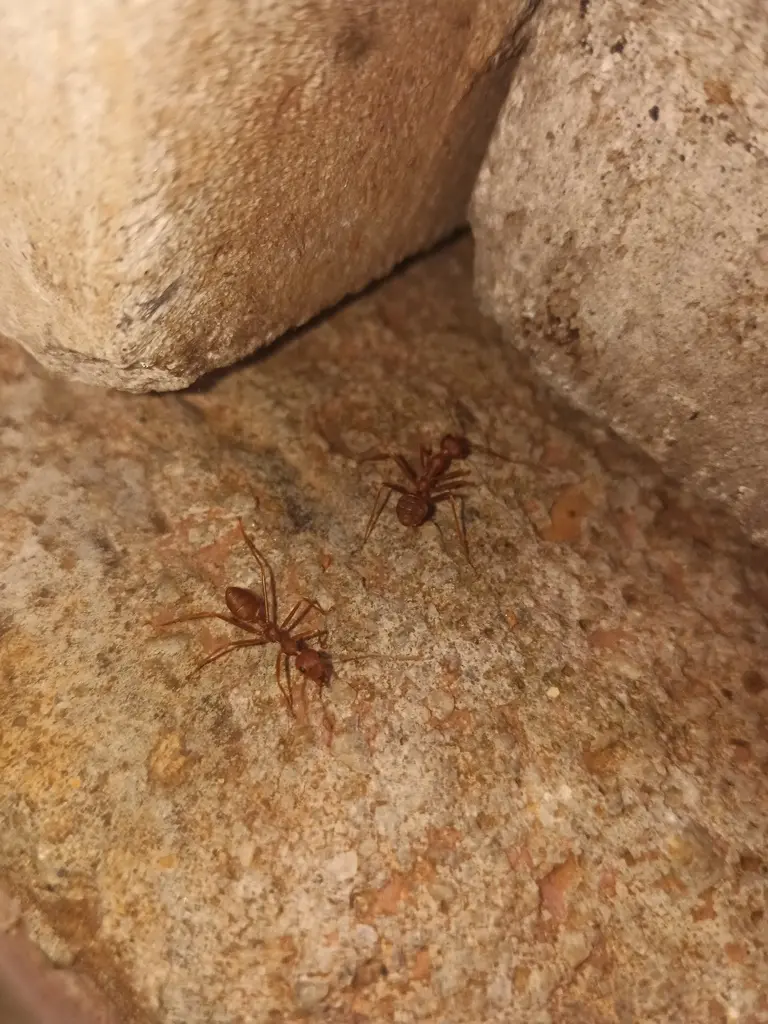
Observed in a home garden in Bengaluru, Karnataka, India, during the morning. The ants were active on the foliage at the time of observation. Original photographs taken by Monto Fact Jungle.
📸 Original Field Observation
Observation ID: MFJ Field Note #001
🔍 View Original Observation on iNaturalist
Wikimedia Commons View Original Photograph on Wikimedia Commons

WIKI DATA : Oecophylla smaragdina - Wikidata
Species: Asian Weaver Ant (Oecophylla smaragdina)
Observation Date: 31 July 2026
Observation Time: 8:27 AM (IST)
Location: Bengaluru, Karnataka, India
Identification Status: Research Grade (verified by the iNaturalist community)
Photographer: Monto Fact Jungle
Asian Weaver Ant (Oecophylla smaragdina): A Real Field Observation from Karnataka
While returning home after my morning walk, I noticed a group of ants moving actively on a coconut tree near my house in Karnataka. Their movement caught my attention, so I stopped to observe them more closely and took a few photographs.
Later, I uploaded the photographs to iNaturalist for identification. The observation was identified as the Asian Weaver Ant (Oecophylla smaragdina) and eventually reached Research Grade through community verification.
This experience reminded me that interesting wildlife observations don't always happen deep inside forests. Even a simple walk around your neighborhood can reveal fascinating species if you pay attention.
Why I Recorded This Observation
The purpose of this observation was not only to identify the species but also to document local biodiversity using original photographs.
Every genuine observation helps build a better understanding of the plants and animals that share our surroundings.
Observation Details
| Field | Information |
|---|---|
| Common Name | Asian Weaver Ant |
| Scientific Name | Oecophylla smaragdina |
| Kingdom | Animalia |
| Phylum | Arthropoda |
| Class | Insecta |
| Order | Hymenoptera |
| Family | Formicidae |
| Habitat | Trees, shrubs and garden vegetation |
| Observation Type | Original field observation |
| Country | India |
| State | Karnataka |
What I Observed
I observed several Asian Weaver Ants moving rapidly across the leaves. The ants appeared highly organized and followed established trails while searching for food and moving around the plant.
Although this was a short observation, it clearly demonstrated the cooperative behaviour that makes this species one of the most fascinating ants found in tropical Asia.
These are original photographs captured in the field and are not stock images or AI-generated illustrations.
About the Species
The Asian Weaver Ant is one of the best-known arboreal ant species in Asia. It is famous for building nests by pulling leaves together and stitching them with silk produced by its larvae. These ants live in highly organized colonies and play an important role as natural predators of many insect pests.
Why This Observation Matters
Every original wildlife observation adds value to our understanding of local biodiversity.
Rather than only repeating information from books or websites, MFJ aims to document real organisms found in nature through original photography and firsthand observations. Over time, these Field Notes will become a growing archive of India's biodiversity.
This Field Note supports the educational article by providing original photographic evidence and a real observation from the field.
Verification
Observation Type: Original Field Observation
Original Photographer: Monto Fact Jungle
Observation Platform: iNaturalist
Media License: Original work by the photographer
Related Media: Wikimedia Commons (if uploaded)
Frequently Asked Questions (FAQs)
1. What is MFJ Field Note #001?
MFJ Field Note #001 is the first entry in the MFJ Field Notes series. It documents a real observation of the Asian Weaver Ant (Oecophylla smaragdina), photographed by Monto Fact Jungle in Bengaluru, Karnataka, India.
2. Is this a real field observation?
Yes. This Field Note is based on a genuine observation made during a morning walk. The photographs were taken by Monto Fact Jungle, and the observation was later uploaded to iNaturalist, where it achieved Research Grade through community verification.
3. Where was this Asian Weaver Ant observed?
The observation was made in a home garden in Bengaluru, Karnataka, India, on 31 July 2026.
4. Why was this Field Note created?
The purpose of this Field Note is to document real wildlife observations using original photography and to build a long-term educational archive of India's biodiversity through the MFJ Field Notes project.
5. Can I view the original observation?
Yes. The original observation is publicly available on iNaturalist, and the original photograph is also available on Wikimedia Commons, allowing anyone to verify the documented record.
6. What is the goal of the MFJ Field Notes series?
The MFJ Field Notes series aims to document birds, insects, plants, fungi, animals, and other living organisms through firsthand observations and original photographs. Each Field Note supports MFJ's educational articles with real-world evidence collected in the field.
About MFJ Field Notes
MFJ Field Notes is a long-term documentation project by Monto Fact Jungle. Each Field Note is based on a genuine observation made in nature and supported by original photography whenever available. The purpose is to create a trustworthy educational archive of birds, insects, plants, fungi, animals, and other living organisms found in India.
📚 Continue Learning at Monto Fact Jungle
Explore our most popular educational resources designed for students, parents, teachers, and lifelong learners.
🍎 Fruits Name in English and Hindi
🌸 Flowers Name in English and Hindi
🦁 Animals Kya Khate Hain List
⌨️ Keyboard Symbols Name in Hindi
📖 Meaning in Hindi with Examples
🦁 50 fruits name in hindi and english
Thank You So Much Meaning in Hindi Examples
🧠 100+ Body Parts Name in Hindi and English