
🐦How Do Birds Keep Their Heads Still?
How Do Birds Keep Their Heads Still?
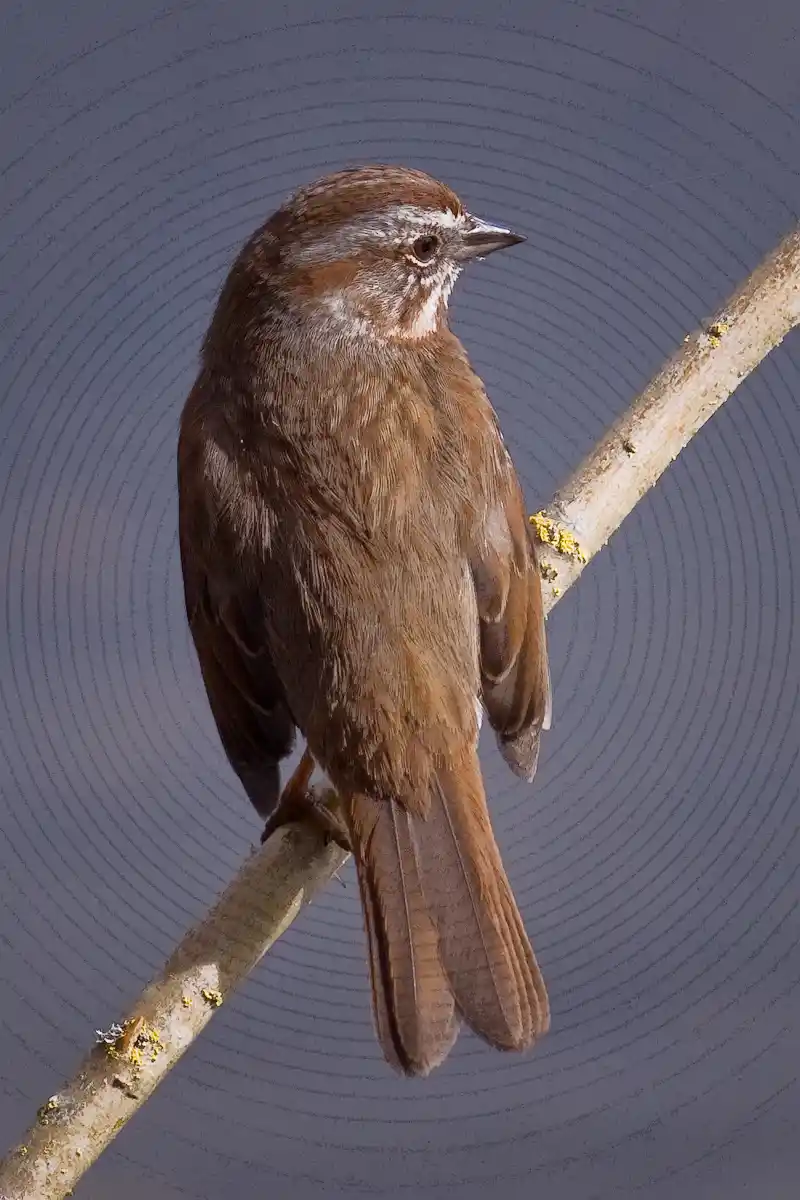
Have you ever watched a chicken, pigeon, or other bird walking and noticed something strange?
Its body moves forward, but its head seems to stay in almost the same place for a moment. 👀
So, how do birds keep their heads so still?
The secret is head stabilization. Birds use coordinated movements of their head, neck, muscles, and balance systems to keep their vision steady while their bodies are moving.
🐦 How Do Birds Keep Their Heads Still?
1. They use a “hold-and-thrust” movement
When a bird walks, it does not simply move its head smoothly forward with every step.
Instead, it can push its head forward and briefly hold it still in space while the body catches up. Then the bird moves its head forward again.
This creates the familiar head-bobbing movement we notice in walking birds.
That short period of stillness helps the bird keep its view of the surroundings stable. 🔍
2. Their flexible neck helps
Birds have flexible necks with many neck vertebrae and strong muscles.
This allows them to make very quick adjustments to head position while their bodies are moving.
Think of the neck as a natural stabilizing system that helps keep the head steady. 🧠
3. Their senses help control the movement
Birds also receive information from their inner ear and visual system about movement and position.
Their nervous system can use this information to make rapid adjustments to the muscles around the head and neck.
Together, these systems help the bird maintain a steadier view of the world.
👀 Why Do Birds Need to Keep Their Heads Still?
A steady head can help a bird process a clearer visual scene while it is moving.
This is especially useful when a bird is walking around looking for food, watching its surroundings, or keeping track of objects nearby.
Birds have remarkable vision, and keeping the head stable is one part of how they make good use of it.
🐔 Why Do Chickens Look Like Their Heads Are “Frozen”?
Chickens are a great example.
When a chicken walks, you may notice its head appearing almost frozen for a brief moment while its body moves underneath it.
Then the head suddenly moves forward and stops again.
It looks funny to us, but it is actually a clever way of stabilizing the bird's view. 😄
🐦 Is This the Same as Head Bobbing?
Yes, they are closely connected.
What looks like a bird bobbing its head is partly the result of the bird alternating between moving its head forward and briefly stabilizing it.
So the next time you see a pigeon or chicken walking, watch the head carefully.
You may notice that the head is not constantly moving—it moves, holds, moves, holds. 👀
🌿 A Simple Bird-Watching Example
Imagine a pigeon walking across your garden.
Its feet and body move forward, but for a brief moment its head stays almost fixed while the body catches up.
Then the head moves forward again.
This happens so quickly that we usually notice it only when we deliberately watch the bird.
If you've ever wondered why birds bob their heads when they walk, this head-stabilization movement is the key to understanding it.
🔗 Explore More Bird Curiosities
Birds have many fascinating movements that look strange at first.
You can also learn why birds tilt their heads when they are watching something, or discover why birds shake their feathers after moving, bathing, or preening.
📝 Quick Summary
Birds keep their heads still by using coordinated movements of their head, flexible neck, muscles, and balance systems.
While walking, many birds use a hold-and-thrust movement: the head moves forward, briefly stays still, and then moves again.
This helps stabilize their view while their body is moving. 🐦👀
FAQs
Why do birds keep their heads still while walking?
Birds briefly stabilize their heads while walking to keep their visual surroundings steady as their bodies move.
How do birds stabilize their heads?
They use coordinated movements involving their neck, muscles, visual system, and balance signals from the inner ear.
Why do chickens keep their heads still?
Chickens can briefly hold their heads steady while their bodies move forward, helping stabilize their visual view.
Is head stabilization the same as head bobbing?
They are closely related. The apparent head bobbing seen in many walking birds results from repeated head movements and brief periods of head stabilization.
Do all birds keep their heads still while walking?
No. Head-bobbing and stabilization patterns vary among birds, and not every bird uses the same walking movement.
You should also read:
Water Birds Name in English and Hindi (पानी में रहने वाले पक्षियों के नाम)
🦆Water Birds Name in English and Hindi (पानी में रहने वाले पक्षियों के नाम) A goose (Anser cygnoides) is a water bird commonly found near lakes, rivers, wetlands, and coastal areas. A high-quality image of a Goose (Anser cygnoides), a water bird adapted to lakes,…
Continue reading...100 Birds Name in Hindi and English-पक्षियों के नाम हिंदी और अंग्रेज़ी में – आसान, मज़ेदार और पूरी सूची
100 पक्षियों के नाम हिंदी और अंग्रेज़ी में 🌿 Real-Life Example (Gaon Ki Kahani) Maan lo aap summer vacation me gaon gaye ho. Subah 5 baje murga "kukdukoo" karta hai. Thodi der baad ped par baithi koil ki "koo-koo" awaaz aati hai. Ghar ke aas-paas…
Continue reading...20 Birds Name in Hindi and English (20 पक्षियों के नाम) | For Students & Easy Pronunciation
20 Birds Name in Hindi and English Here is a fresh set of 20 birds: क्या आपने कभी notice किया है कि हम रोज़ कई birds देखते हैं, लेकिन उनके English ya Hindi names हमें हमेशा याद नहीं रहते? इसीलिए students अक्सर search करते हैं…
Continue reading...10 Birds Name in Hindi and English (With Easy Meaning & GK Use)
🐦10 Birds Name in Hindi and English Quick Answer: 10 Birds Name in Hindi and English are Hoopoe, Woodpecker, Goose, Dove, Kingfisher, Indian Roller, Bulbul, Lapwing, Penguin, and Kiwi. Kya aapko school homework ya GK preparation ke liye birds ke naam chahiye? Bahut baar students…
Continue reading...