
🐦Why Do Birds Puff Up Their Feathers? 4 Real Reasons Explained
Why Do Birds Puff Up Their Feathers? 4 Real Reasons Explained
Quick Answer
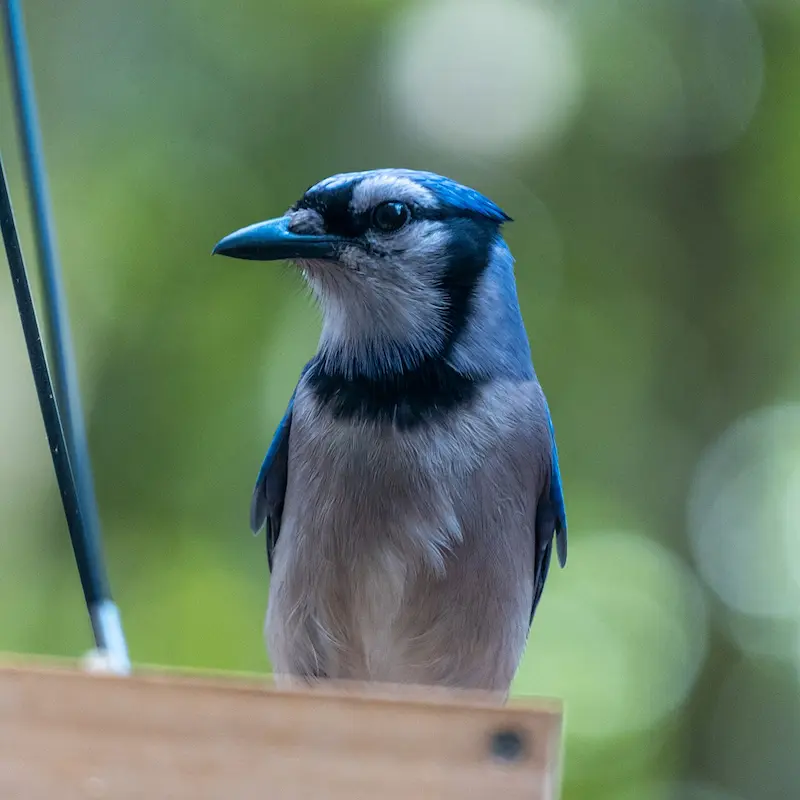
Birds puff up their feathers mainly to trap air close to their skin for insulation — the same principle as a down jacket. But fluffing has three other common causes too: looking larger to deter a threat, showing signs of illness or stress, and simple relaxed grooming. The context — season, duration, and the bird's other behavior — tells you which one it is.
Explore 100 interesting facts about birds, 100 Common birds in usa with pictures
1. Staying Warm (the most common reason)
Small muscles at the base of each feather let a bird raise its plumage on command. When the feathers lift, they create thousands of tiny air pockets against the skin. Trapped air is a poor conductor of heat, so it acts as insulation — the same reason a down jacket or a layer of loft in a sleeping bag keeps you warm. A puffed-up bird on a cold morning can roughly double or triple its insulating layer compared to when its feathers lie flat.
This is why you'll see far more fluffed-up birds at backyard feeders in winter than in summer — it's a normal, healthy cold-weather behavior, not a cause for concern on its own. Read Why Do Birds Preen Their Feathers?
2. Looking Bigger (defense and territory)
Birds also puff up to appear larger and more intimidating. This shows up in two situations:
- Facing a threat — a predator, a rival bird, or an unfamiliar animal approaching a nest or feeding area
- Defending territory or food — especially at feeders, where puffing (often paired with wing-spreading or aggressive calls) signals "back off" to other birds
Unlike the winter-insulation version, this kind of puffing is usually brief and situational — it stops once the perceived threat moves on.
3. Illness or Stress (the one to watch for)
This is the reason worth paying attention to. Sick or stressed birds fluff their feathers to conserve body heat while their body fights infection or copes with low energy. On its own, occasional fluffing isn't a red flag — but it's worth taking seriously when it comes with other signs:
- Fluffed up for extended periods, not just a quick moment
- Combined with lethargy or reduced activity
- Closed or half-closed eyes during the day
- Loss of appetite or reduced interest in food
- Fluffing that continues in warm weather, when insulation isn't needed
If you're watching a pet bird or a bird at a feeder showing several of these signs together, it's worth contacting an avian vet or a local wildlife rehabilitator rather than waiting it out.
4. Relaxation and Grooming
Not all fluffing is defensive or medical. A brief, loose fluff — often followed by a shake — is a normal part of a content, relaxed bird's routine. Birds also fluff while preening, which helps reset feather barbs that have come unhooked and shake off water after bathing or rain.
Quick Reference: What Kind of Puffing Is It?
| Sign | Likely Cause |
|---|---|
| Fluffed on a cold day, otherwise alert and active | Staying warm |
| Sudden fluff + wings out + loud call, near another bird | Territory/defense |
| Fluffed all day, quiet, eyes closing | Possible illness — monitor closely |
| Quick fluff-and-shake, normal activity after | Relaxation or grooming |
A Real-Life Example
Imagine you see a small sparrow sitting quietly on a branch on a cool morning. Its feathers look much puffier than usual, making the bird look almost round. After a while, the sparrow becomes active again and its feathers lie flatter.
That brief change is a normal way for the bird to stay warm. Now imagine the same bird remaining fluffed up for hours during warm weather while sitting quietly with its eyes partly closed. That is a different situation and could indicate that the bird is unwell or stressed.
The key is to look at when the bird puffs up, how long it stays that way, and what it does afterward.
Frequently Asked Questions
Do birds fluff up when happy? Yes — a brief, loose fluff during otherwise normal, relaxed behavior is often a sign of contentment, similar to how a cat might stretch.
Why does my bird puff up when it sees me? This depends on context. It can mean comfort and familiarity, but persistent puffing paired with stiff posture or reluctance to be touched can also be a warning sign, so watch the bird's overall body language rather than the fluffing alone.
Why do birds puff up their feathers in winter? Cold-weather puffing is almost always about insulation. Trapped air between fluffed feathers slows heat loss, letting the bird maintain body temperature in freezing conditions.
What happens if birds don't preen their feathers? Feathers gradually lose their interlocking structure and waterproofing, which reduces both insulation and flight efficiency — regular preening (often involving a fluff-and-shake) keeps feathers in working condition.
Related: Why Do Birds Have Feathers? 7 Amazing Jobs Feathers Do · How Do Birds Sleep?
You should also read:
Water Birds Name in English and Hindi (पानी में रहने वाले पक्षियों के नाम)
🦆Water Birds Name in English and Hindi (पानी में रहने वाले पक्षियों के नाम) A goose (Anser cygnoides) is a water bird commonly found near lakes, rivers, wetlands, and coastal areas. A high-quality image of a Goose (Anser cygnoides), a water bird adapted to lakes,…
Continue reading...100 Birds Name in Hindi and English-पक्षियों के नाम हिंदी और अंग्रेज़ी में – आसान, मज़ेदार और पूरी सूची
100 पक्षियों के नाम हिंदी और अंग्रेज़ी में 🌿 Real-Life Example (Gaon Ki Kahani) Maan lo aap summer vacation me gaon gaye ho. Subah 5 baje murga "kukdukoo" karta hai. Thodi der baad ped par baithi koil ki "koo-koo" awaaz aati hai. Ghar ke aas-paas…
Continue reading...20 Birds Name in Hindi and English (20 पक्षियों के नाम) | For Students & Easy Pronunciation
20 Birds Name in Hindi and English Here is a fresh set of 20 birds: क्या आपने कभी notice किया है कि हम रोज़ कई birds देखते हैं, लेकिन उनके English ya Hindi names हमें हमेशा याद नहीं रहते? इसीलिए students अक्सर search करते हैं…
Continue reading...10 Birds Name in Hindi and English (With Easy Meaning & GK Use)
🐦10 Birds Name in Hindi and English Quick Answer: 10 Birds Name in Hindi and English are Hoopoe, Woodpecker, Goose, Dove, Kingfisher, Indian Roller, Bulbul, Lapwing, Penguin, and Kiwi. Kya aapko school homework ya GK preparation ke liye birds ke naam chahiye? Bahut baar students…
Continue reading...