
🌿The Ultimate Snake Plant Care Guide: Why It’s the Perfect Indoor Plant for Beginners
Monto Fact Jungle 🎤English Speak Challenge🎤 Talk about this topic in English for 60 seconds.
Why It’s the Perfect Indoor Plant for Beginners
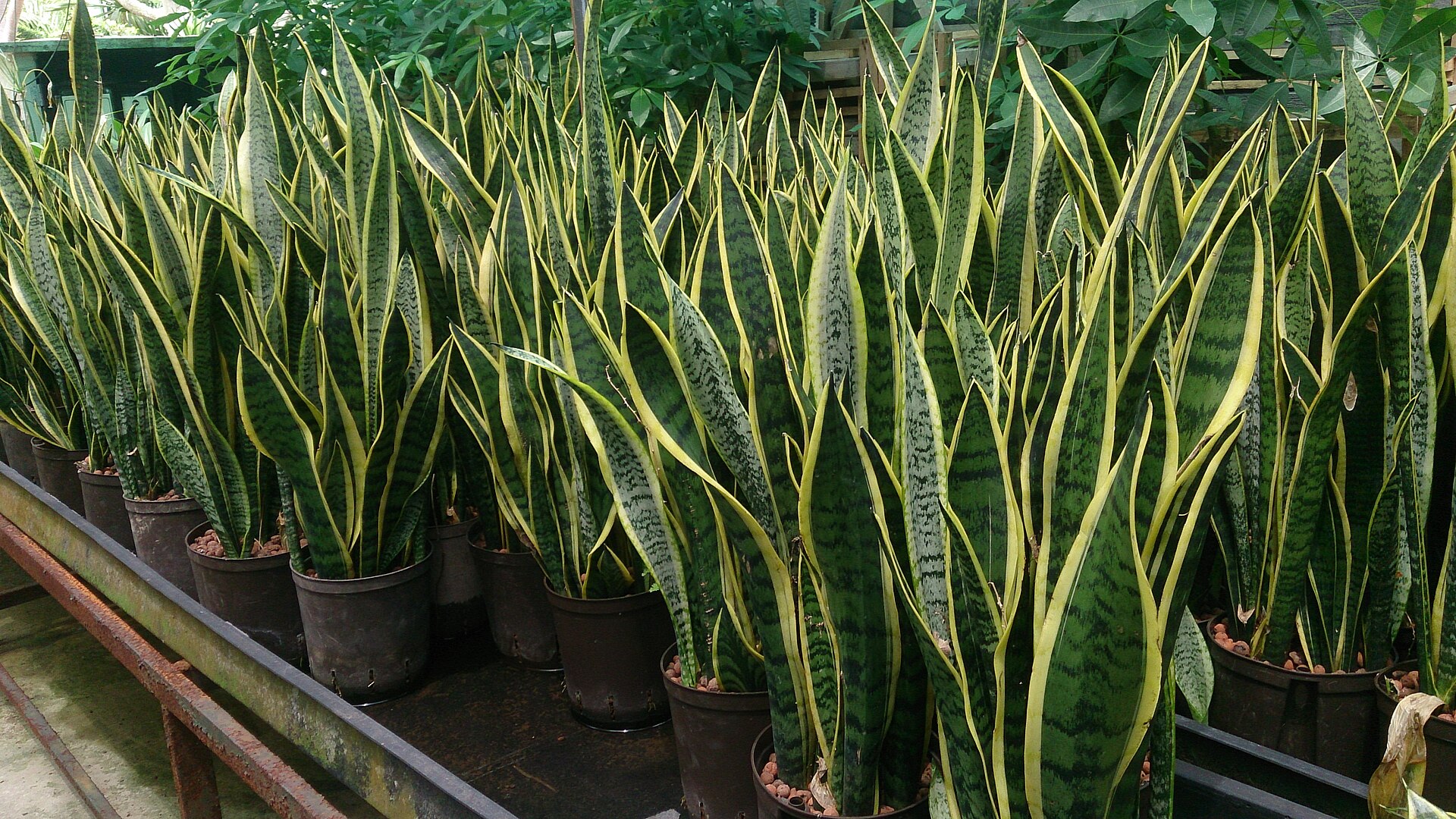
QUICK ANSWER:
Yes, the snake plant (Dracaena trifasciata) is an excellent beginner indoor plant because it tolerates low light and survives weeks without watering.
Have you ever wanted to bring a little bit of nature inside your room, but worried you wouldn’t be able to keep a plant alive? You are not alone! For many students, families, and budding gardeners, keeping indoor plants healthy can feel a bit intimidating.
Fortunately, nature has a wonderful solution: the Snake Plant.
Known scientifically as Dracaena trifasciata (and formerly called Sansevieria), this striking, upright plant is famous for being nearly indestructible. Whether you want to brighten a dim bedroom corner or add life to an office desk, here is everything you need to know about why snake plants are perfect for beginners and how to care for them.
🌟 Why Snake Plants Are Great for Beginners
Many indoor plants require daily attention, specific humidity levels, and precise feeding schedules. The snake plant is the exact opposite. Here is why it is widely considered the ultimate starter plant:
- It Thrives on Neglect: Snake plants store water in their thick, fleshy, sword-shaped leaves. Because of this built-in water reservoir, they can easily survive for weeks without a single drop of water. Missing a watering session won't hurt them at all!
- It Adapts to Low Light: While most houseplants wilt and turn yellow without abundant sunshine, snake plants are incredibly tolerant of low-light environments. They will happily sit in dim bedrooms, dark hallways, or offices with only artificial lighting.
- Low Maintenance Chores: Snake plants actually prefer to be a bit snug and root-bound in their pots. This means you do not have to worry about repotting them every few months—once every few years is usually plenty.
- Natural Air Filter: In addition to looking beautiful, snake plants are excellent functional additions to your home. They help filter common indoor toxins out of the air. Even cooler? Unlike most plants that only release oxygen during the day, snake plants continue to release oxygen at night, making them a popular choice for bedside tables.
🌱 Simple Snake Plant Care Rules for Success
To keep your snake plant thriving, you only need to master a few basic dimensions of care. Follow this quick reference chart to get started:
| Care Dimension | What the Plant Needs | Quick Practical Tip |
|---|---|---|
| 💧 Watering | Every 2 to 3 weeks (Only when fully dry) | The #1 rule of snake plant care is to let the soil dry out completely. Overwatering causes root rot, which is the quickest way to damage the plant. When in doubt, leave it dry! |
| ☀️ Light | Low light to bright, indirect light | While they tolerate dark corners, they grow fastest in bright spaces. Just keep them out of harsh, direct afternoon sunlight, which can scorch their beautiful leaf patterns. |
| 🪴 Soil & Potting | Well-draining cactus or succulent mix | Use a loose, sandy soil blend that doesn't trap water. Always choose a pot with drainage holes at the bottom. Terracotta pots are ideal because they breathe and pull away excess moisture. |
| 🌡️ Temperature | 15°C to 32°C (60°F to 90°F) | Snake plants love warm weather. Keep them safe from freezing temperatures and away from the direct, freezing drafts of air-conditioners. |
⚠️ An Important Note for Pet Owners
While snake plants are incredibly friendly to human beginners, they are mildly toxic to cats and dogs.
The leaves contain natural defensive compounds called saponins. If a curious dog or cat decides to chew on or ingest the leaves, it can cause nausea, vomiting, or drooling. If you have curious pets who love to nibble on greenery, make sure to place your snake plant on a high shelf, a tall plant stand, or in a room your pets cannot access.
🌿 Start Nurturing Your Green Thumb!
Growing a snake plant is a rewarding, low-stress way to start connecting with the living world right from your bedroom or living room. By providing it with well-draining soil, warm temperatures, and just an occasional splash of water, your snake plant will reward you with beautiful, architectural green leaves for years to come.
FAQ"s
Is a snake plant good for beginners indoors?
Yes, the snake plant (Dracaena trifasciata) is widely considered the ultimate indoor houseplant for beginners. It is incredibly hardy, thrives on minimal attention, adapts well to dark or dim spaces, and easily survives weeks without watering.
How often should you water a snake plant?
You should water an indoor snake plant every 2 to 3 weeks, allowing the soil to dry out completely between waterings. Overwatering is the leading cause of root rot and yellowing leaves, so it is always safer to underwater rather than overwater.
What are the light requirements for a snake plant?
Snake plants are highly light-adaptable. They grow fastest in bright, indirect sunlight but are famous for tolerating low-light indoor environments like dim bedrooms and offices. Avoid harsh, direct afternoon sunlight, which can scorch the leaves.
Are snake plants toxic to cats and dogs?
Yes, snake plants are mildly toxic to pets because they contain natural defense chemical compounds called saponins. Ingesting or chewing on the sword-like leaves can cause mild stomach discomfort, vomiting, or drooling in cats and dogs.