
🐦Why Do Birds Preen Their Feathers? The Science Behind Bird Grooming
Why Do Birds Preen Their Feathers? The Science Behind Bird Grooming
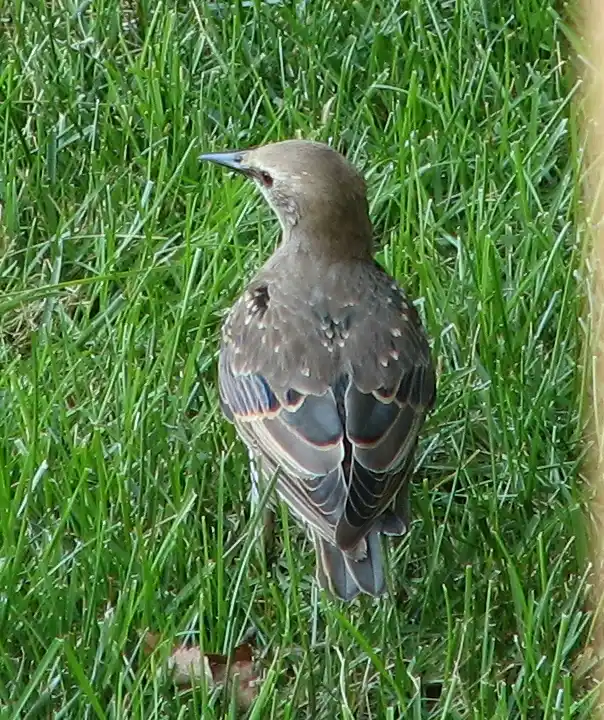
Quick Answer
Birds preen their feathers to clean, arrange, and maintain their plumage using their beak — and a small oil gland near the tail — so their feathers keep working properly for flight, insulation, waterproofing, and protection.
Have you ever watched a bird run its beak through its feathers again and again? That's preening — one of the most important everyday behaviors in a bird's routine, and it's doing more work than it looks like.
Explore 100 interesting facts about birds, 100 Common birds in usa with pictures
1. To Keep Feathers in Place
A bird's feathers can become slightly separated or out of position during flying, resting, bathing, or other activities.
During preening, the bird uses its beak to carefully arrange the feather parts and reconnect tiny structures along each feather — sometimes described as "zipping" the feather back together. This keeps the plumage smooth and properly aligned.
2. To Keep Feathers Clean
Preening also helps birds remove dust, dirt, loose material, and small unwanted particles from their feathers.
A clean feather surface works better and is easier for the bird to maintain over time.
3. To Spread Preen Oil (the "Oil Gland")
Many birds collect oil from a gland near the base of the tail, called the uropygial gland — often just called the preen gland or oil gland.
Using its beak, the bird spreads this oil through its feathers while preening. The oil helps keep feathers flexible, supports their water-resistant condition, and in some species may even help protect against harmful bacteria.
4. To Keep Feathers Ready for Flight
Healthy, well-arranged feathers are essential for flying.
If feathers become damaged, tangled, or poorly arranged, they don't perform as efficiently. Regular preening keeps the feather structure a bird depends on for flight in good working order.
5. To Help With Insulation and Protection
Feathers also help birds stay warm and shield their bodies from the elements.
By keeping plumage clean and properly arranged, preening helps maintain the qualities that make feathers effective for insulation and protection — the same properties behind another common behavior, puffing up feathers to trap warm air.
What Does a Bird Look Like While Preening?
A preening bird may turn its head and repeatedly run its beak through different parts of its body — often working across its chest, wings, back, and tail.
Afterward, it will often fluff up and shake its feathers, which helps settle the plumage back into place. If you've ever wondered why birds puff up their feathers outside of cold weather, this post-preening fluff-and-shake is one of the answers.
Quick Table
| What the bird is doing | Why it matters |
|---|---|
| Running its beak through feathers | Arranges and cleans them |
| Working across different body areas | Maintains the whole plumage |
| Spreading oil from the preen (oil) gland | Keeps feathers flexible and water-resistant |
| Fluffing and shaking afterward | Settles feathers back into place |
A Simple Bird-Watching Example
Imagine watching a sparrow sitting on a branch. It suddenly turns its head, reaches back with its beak, and starts working through its feathers. After moving across several areas of its body, it gives a quick shake and returns to sitting normally.
What looks like the bird simply "fixing its feathers" is actually an important maintenance routine — keeping its plumage clean, aligned, and ready for the jobs feathers perform every day.
Quick Summary
Birds preen to clean and maintain their feathers, keep them properly arranged, spread oil from the preen gland, and preserve the qualities needed for flight, insulation, and protection.
So the next time you see a bird carefully working its beak through its feathers, you're watching one of its most important everyday grooming behaviors.
Frequently Asked Questions
What is preening in birds? Preening is a feather-maintenance behavior in which a bird uses its beak to clean, arrange, and care for its feathers.
Why do birds preen their feathers? Birds preen to keep their feathers clean, properly arranged, flexible, and ready for important jobs such as flight, insulation, and protection.
What is the oil gland on a bird called? It's called the uropygial gland, though it's commonly known as the preen gland or oil gland. It's located near the base of a bird's tail and produces the oil birds spread through their feathers while preening.
Do birds preen every day? Birds regularly spend time maintaining their feathers, although the amount and timing can vary between species and situations.
Do birds preen each other? Yes. Some birds preen each other, particularly around areas such as the head that are difficult for an individual bird to reach. This behavior can also have a social-bonding role.
What happens if a bird does not preen its feathers? Poorly maintained feathers can gradually lose their proper structure and condition, which can affect functions such as insulation, waterproofing, and flight.
Related: Why Do Birds Have Feathers? 7 Amazing Jobs Feathers Do · How Do Birds Sleep?
You should also read:
Water Birds Name in English and Hindi (पानी में रहने वाले पक्षियों के नाम)
🦆Water Birds Name in English and Hindi (पानी में रहने वाले पक्षियों के नाम) A goose (Anser cygnoides) is a water bird commonly found near lakes, rivers, wetlands, and coastal areas. A high-quality image of a Goose (Anser cygnoides), a water bird adapted to lakes,…
Continue reading...100 Birds Name in Hindi and English-पक्षियों के नाम हिंदी और अंग्रेज़ी में – आसान, मज़ेदार और पूरी सूची
100 पक्षियों के नाम हिंदी और अंग्रेज़ी में 🌿 Real-Life Example (Gaon Ki Kahani) Maan lo aap summer vacation me gaon gaye ho. Subah 5 baje murga "kukdukoo" karta hai. Thodi der baad ped par baithi koil ki "koo-koo" awaaz aati hai. Ghar ke aas-paas…
Continue reading...20 Birds Name in Hindi and English (20 पक्षियों के नाम) | For Students & Easy Pronunciation
20 Birds Name in Hindi and English Here is a fresh set of 20 birds: क्या आपने कभी notice किया है कि हम रोज़ कई birds देखते हैं, लेकिन उनके English ya Hindi names हमें हमेशा याद नहीं रहते? इसीलिए students अक्सर search करते हैं…
Continue reading...10 Birds Name in Hindi and English (With Easy Meaning & GK Use)
🐦10 Birds Name in Hindi and English Quick Answer: 10 Birds Name in Hindi and English are Hoopoe, Woodpecker, Goose, Dove, Kingfisher, Indian Roller, Bulbul, Lapwing, Penguin, and Kiwi. Kya aapko school homework ya GK preparation ke liye birds ke naam chahiye? Bahut baar students…
Continue reading...